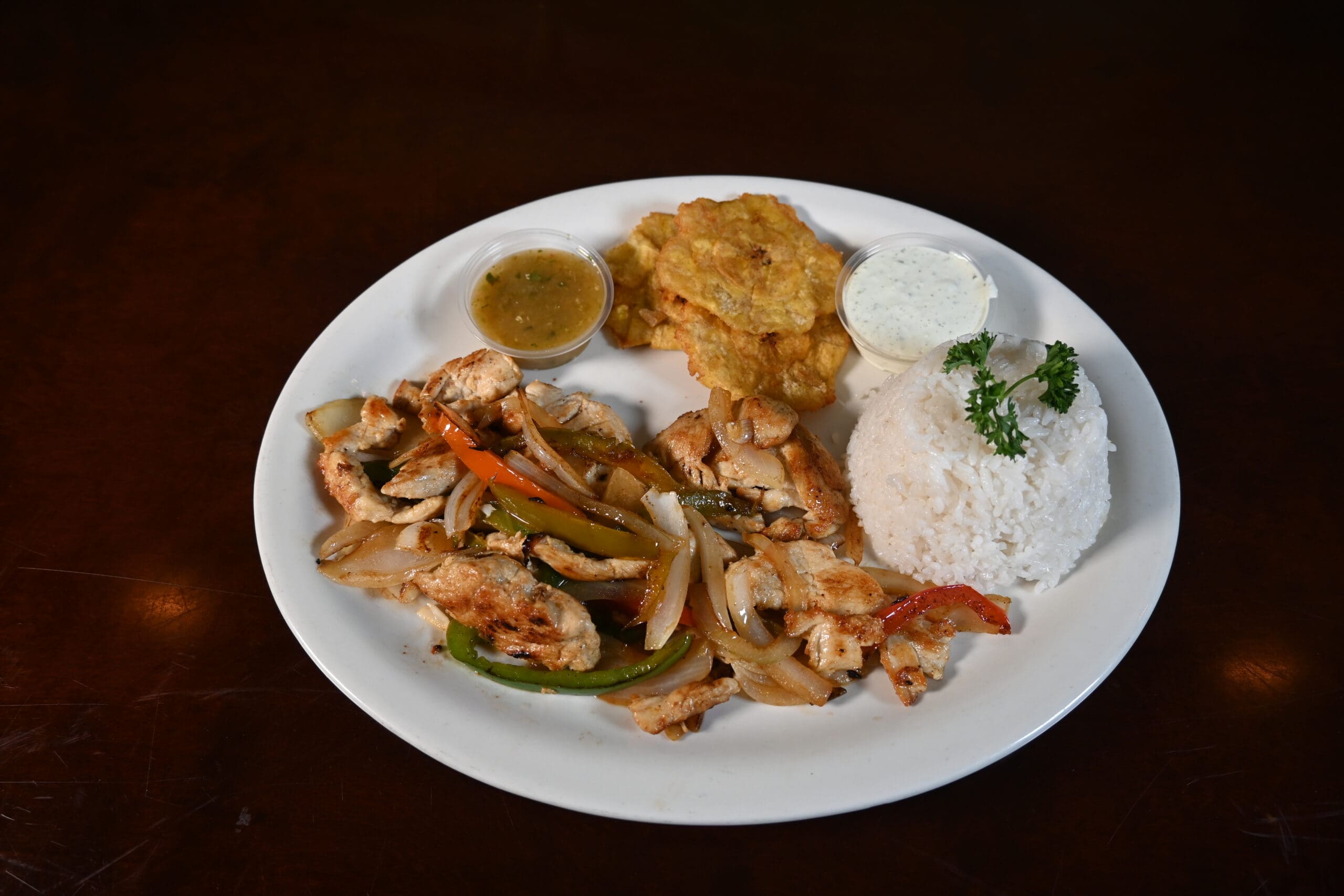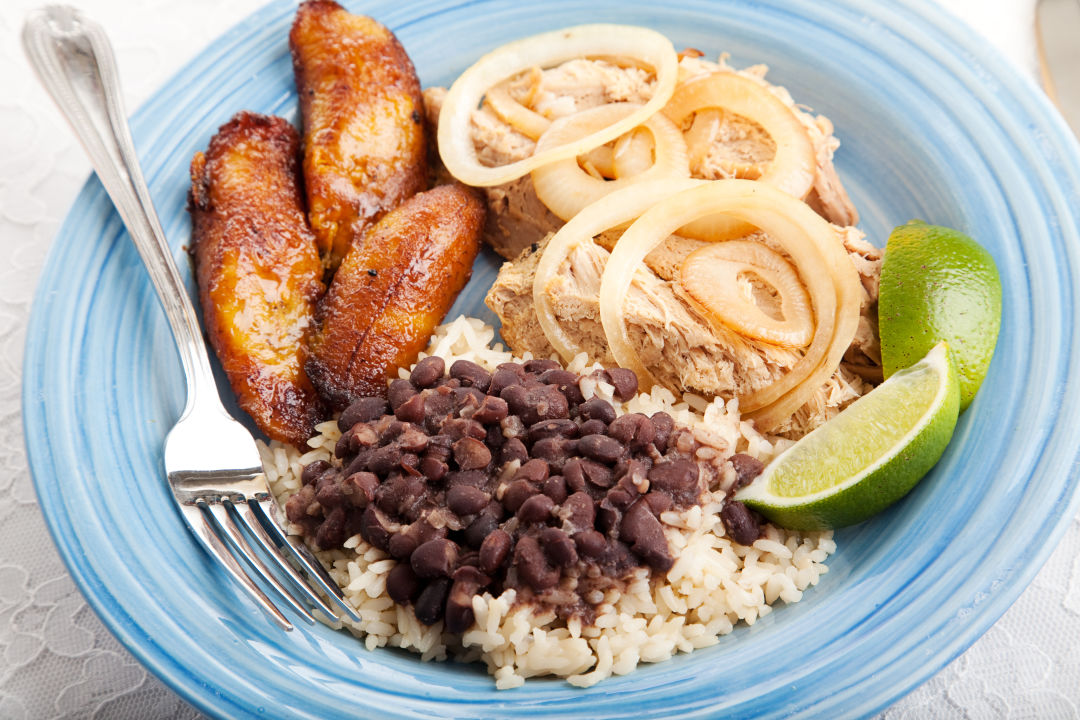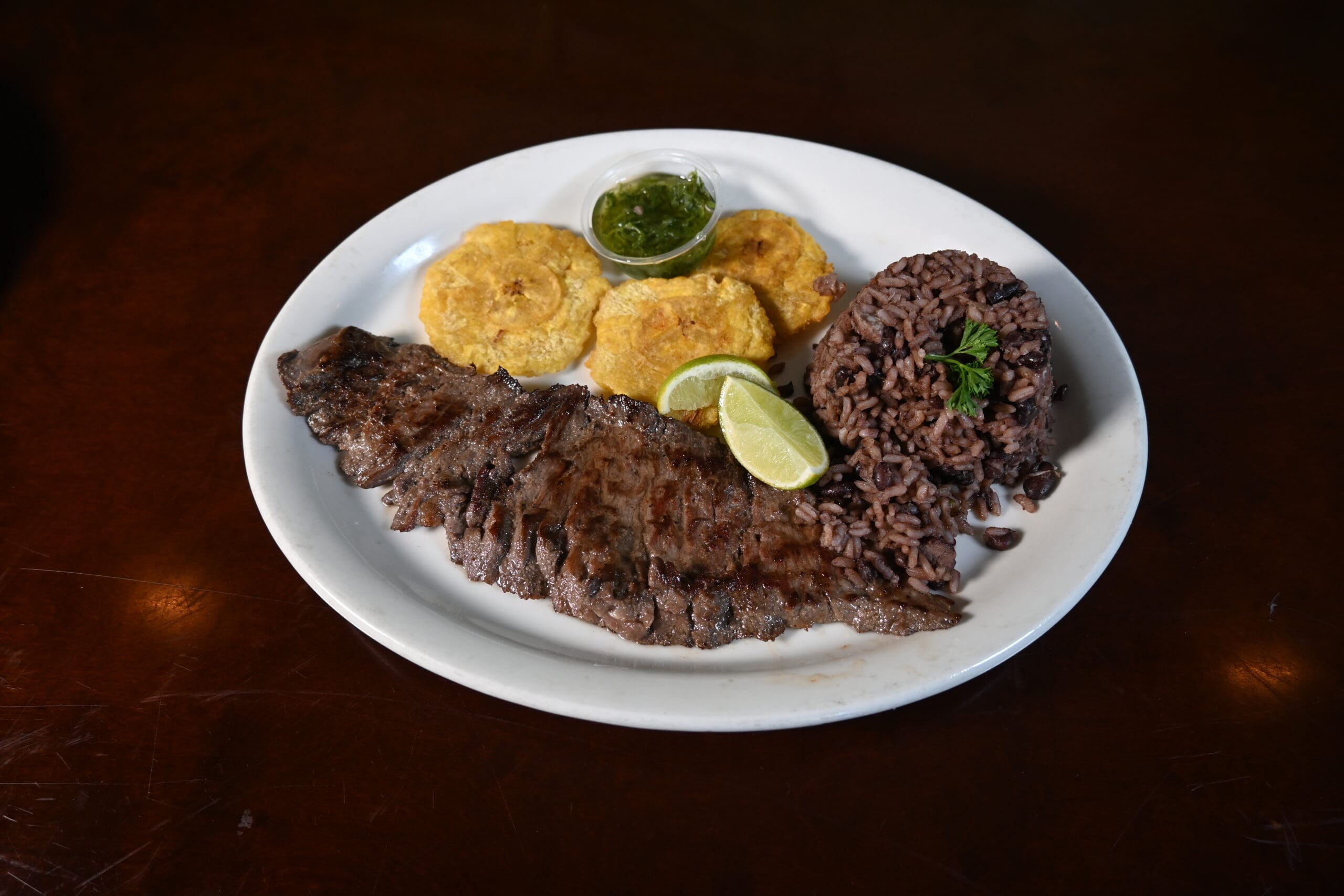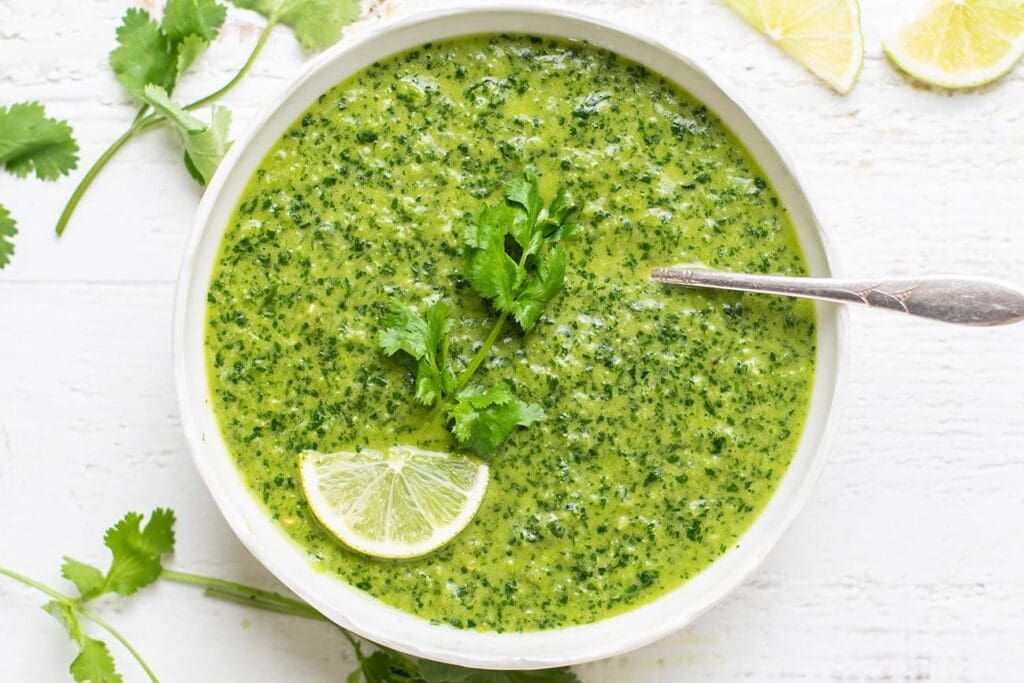
I remember my first spoonful of mojo — it hit like sunshine on a roasted potato. That memory sent me down a rabbit hole of experimenting with mojo verde and mojo rojo on everything from grilled fish to late-night sandwiches. In this short guide I mix practical pairings with tiny travel notes from Chirche, Tenerife, and a few personal missteps (yes, I once overloaded a sandwich). Expect hands-on tips, workshop highlights, and a few wild analogies because cooking is messy and joyful.
1) Proteins that Love Mojo (seafood to tofu)
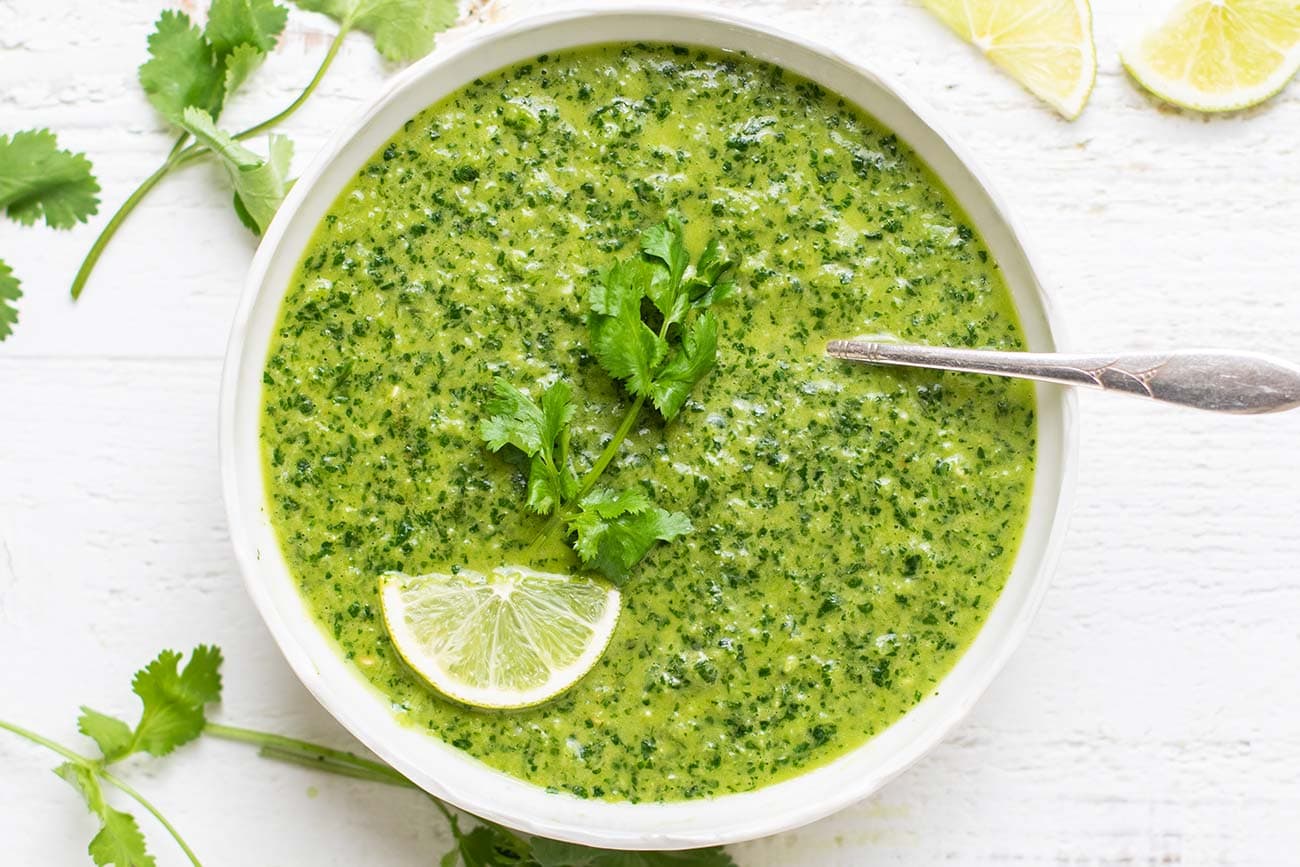
When I teach or take a Mojo cooking class, we always start with the same foundation: mojo verde mojo rojo. These two classic sauces are the heart of the workshops because they work with almost every protein on the table. Mojo verde is herb-forward and fresh, while mojo rojo leans on peppers and paprika for deeper, warmer flavor. Both are part of Traditional mojo sauce culture—right alongside that can’t-skip side of Canarian potatoes authentic taste.
Seafood: where mojo verde shines
For seafood, I reach for mojo verde first. It’s bright and clean, and it doesn’t cover up the natural sweetness of fish.
- Grilled sardines: a quick drizzle right before serving keeps them punchy and fresh.
- Prawns: mojo verde cuts through the richness; mojo rojo adds a gentle heat if you want more warmth.
- Firm white fish (like grilled fillets): I use mojo as a finishing sauce so the herbs stay lively.
Chef Ave: “Mojo verde wakes up the sea flavors; mojo rojo comforts the roasted meats.”
Pork & chicken: mojo rojo loves the roast
With roasted meats, I switch gears. Mojo rojo has that peppery depth that clings to crisp skin and browned edges.
- Roasted pork shoulder: this is my favorite place to use mojo as a marinade, then serve extra on the side.
- Spatchcock chicken: mojo rojo gets into every cut, especially if you rub it on before roasting.
In hands-on sessions, we often make both sauces with a mortar and pestle, focusing on fresh local ingredients for the cleanest flavor.
Plant-based proteins: tofu, tempeh, and eggplant
Mojo is just as good without meat. I treat these like “flavor sponges” and let the sauce do the heavy lifting.
- Roasted eggplant: mojo rojo turns it smoky and rich.
- Tempeh: mojo verde keeps it light and savory.
- Marinated tofu: start with a small drizzle, taste, then add more.
María Hernández, Food Guide: “I recommend starting light — drizzle, taste, then adjust.”
2) Sides & Staples: The Canary Classics (potatoes, bread, terrace produce)
Canarian potatoes: the first test for Traditional mojo sauce
When I’m learning or teaching mojo, I always start with Canarian potatoes. In the workshops I’ve joined in Chirche—an Ancient Canarian Village in South Tenerife—this is the tasting that sets the baseline. The method is simple: boil the small potatoes until tender, drain, then crack the skin so they open up and catch the sauce. Serve them steaming and go generous with two classics: mojo rojo for warmth and mojo verde for a fresh, herby hit.
Lucía Ramos, Local Host: “You taste the island in the potatoes — it’s how we teach mojos to visitors.”
Crusty bread, local olives, and tasting flights
Next, I reach for crusty bread—because bread doesn’t argue with the sauce. It just carries it. During a cooking class or even a winery visit, we often do a mini “flight”: one bite with rojo, one with verde, then a mix. A bowl of local olives on the side makes it feel like a real Canarian table, and it keeps the tasting moving while everyone compares notes. With small groups (often eight participants maximum), you actually get time to talk about what you’re tasting.
Chef Ave: “The simplicity of potatoes and bread lets the mojo speak.”
Terrace produce from Chirche: salad and roasted veg
Many classes emphasize local ingredients from Chirche and its terrace farming heritage—those old fields and threshing grounds aren’t just scenery. They explain the food. When mojo feels rich or intense, I balance it with terrace produce: a crisp salad with a little acidity, or roasted vegetables with browned edges for texture. It keeps the meal light while still letting the mojo lead.
- Best with mojo rojo: roasted peppers, carrots, or cauliflower
- Best with mojo verde: tomatoes, cucumber salad, or grilled zucchini
- Best “starter plate”: Canarian potatoes + bread + olives (the classic workshop pairing)
3) Sandwiches & Late-Night Creations (unexpected mojo uses)
Most people meet Traditional mojo sauce next to potatoes, but in every Mojo sauce workshop I’ve watched (and in more than one late-night fridge raid), the real fun starts when you treat mojo like a sandwich tool: part spread, part dip, part “save this bite” button. Blogs and recipe feeds on platforms like byFood and local Canary Islands sites keep pushing this idea, and I get why—mojo’s texture makes it easy to smear, drizzle, or soak into bread.
Classic crusty-roll mojo sandwich (my go-to)
If you want one “start here” build, make it simple and bold:
- Roasted pork (warm if possible)
- Pickled onion for snap and tang
- A generous smear of mojo rojo on a crusty roll
The pork brings richness, the onion cuts through, and the mojo rojo ties it together like a spicy, garlicky mayo—only brighter.
Chef Ave: “Mojos are forgiving — they rescue bland sandwiches and lift humble ingredients.”
Breakfast twist from a Mojo cooking class: egg + avocado + mojo verde
I first tried this combo after a Mojo cooking class listing I found on TripAdvisor (you’ll see similar experiences on GetYourGuide, Viator, and byFood). It sounded odd, but trust me:
- Toast good bread.
- Smash avocado with a pinch of salt.
- Top with a fried egg.
- Finish with mojo verde—not too shy.
The herbiness wakes up the avocado, and the egg yolk turns the mojo into a silky sauce.
Snack hack: mojo compound butter (for halloumi or toast)
When I want something fast, I mash soft butter with a spoon of mojo (rojo or verde), then spread it on toast or melt it over grilled halloumi. It’s messy in the best way.
Personal aside: I once made a mojo shawarma-style wrap—delicious chaos, slightly messy hands. As Álvaro Martín, Cookbook Author, puts it:
Álvaro Martín, Cookbook Author: “Think of mojo as a flavor passport for your pantry.”
4) The Workshop Experience: Chirche, Chef Ave, and Bodegas Monje
Mojo Cooking Class in Chirche South Tenerife village
I didn’t expect a cooking lesson to feel like a small trip back in time, but that’s exactly what happened in Chirche South Tenerife village. The class is set among old terrace fields and traditional threshing grounds, so before we even touch ingredients, the place already tells a story. It’s quiet, rural, and the kind of setting that makes you slow down and pay attention—perfect for learning mojo the traditional way.
Two-hour, hands-on format (mortar and pestle)
This Mojo Cooking Class runs as a two-hour duration workshop, and it’s very practical. We don’t just watch—Chef Ave puts the mortar and pestle in our hands right away. We grind garlic, salt, and spices, then build up the mojo step by step, tasting as we go. That tasting part matters because mojo isn’t one fixed recipe; it’s about balance. A little more vinegar? A touch more cumin? You learn by doing.
Chef Ave’s small-group teaching style
Chef Ave (yes, the one with cruise-line culinary experience) keeps the pace friendly and clear. The group is capped at an eight participants maximum group, so there’s time for questions and small corrections—like how fine to grind, or when to add oil so the sauce turns silky instead of split.
Chef Ave: “We keep groups small — eight people is the sweet spot for learning and tasting.”
Pairing the workshop with Bodegas Monje winery
One of the best add-ons I saw was the combined option with a Bodegas Monje winery tour. These experiences often include a walk through the winery plus a guided wine tasting, which makes the mojo lesson feel even more connected to Tenerife’s food culture.
Elena García, Bodegas Monje Host: “Pairing local wines with mojos brings out unexpected notes.”
Booking details I found helpful
- Duration: 2 hours
- Group size: max 8 participants
- Platforms: TripAdvisor, GetYourGuide, Viator, byFood
- Perks: free cancellation up to 24 hours in advance and pay-later options on many listings
5) Wine Pairings, Booking Tips & Cultural Notes
Mojo workshop wine tasting: what to sip with verde and rojo
When I’m pairing mojo with food, I always think about what’s happening in the sauce first: mojo verde is bright and herbal, while mojo rojo is deeper, warmer, and often a little spicy. On Tenerife, the easiest win is to lean into local vintages, especially if you’re tasting at Bodegas Monje. Their wines tend to feel volcanic and fresh, which keeps mojo from tasting heavy.
Elena García, Bodegas Monje Host: “Our wines show a minerality that plays well with the citrus in mojo verde.”
During a Winery tour wine tasting, I always ask the guide for a quick recommendation based on what I’m eating—whether it’s papas arrugadas, grilled fish, or a pork sandwich with mojo rojo. Most tours include multiple tastings, so you can try one wine with verde and another with rojo and feel the difference right away.
Winery tour wine tasting + mojo workshop: the best combo
If you want the full experience, look for Bodegas Monje’s combined sessions that blend a Winery tour wine tasting with a mojo sauce workshop. It’s practical and fun: you taste wines with the sauces, learn the basics of the recipes, and usually finish with a small menu tasting. I like that it turns “pairing” into something you can actually remember and repeat at home.
Booking tips (so your day stays easy)
I book early because these activities are often small-group. When I’m comparing listings, I look for free cancellation and pay later options, just in case plans change. Many experiences note English language instruction is available, and I’ve found guides are used to explaining ingredients and spice levels clearly. Refreshments are commonly included, and a professional guide plus food tasting is a frequent feature.
Canary Islands food culture: why the stories matter
What surprised me most is how much storytelling comes with the cooking. Workshops often mix entertaining commentary with real cultural education about Canary Islands food culture, including ancient terrace agriculture and why local herbs, peppers, and vinegar became so important.
Chef Ave: “Guests usually leave with a jar of mojo and a recipe — and a new story about the island.”
That’s the real takeaway: you don’t just learn what to pair with mojo—you learn where it comes from, and why it tastes like Tenerife.
TL;DR: Mojo pairs brilliantly with seafood, pork, and roasted veggies; try Canarian potatoes or crusty bread; join a 2-hour mojo workshop in Chirche, Tenerife—max 8 people, mortar-based, winery pairings available.